
For businesses
Deal Hours: Put a Price on Your Quiet Period
Mosey · 22 September 2026 · 3 min read
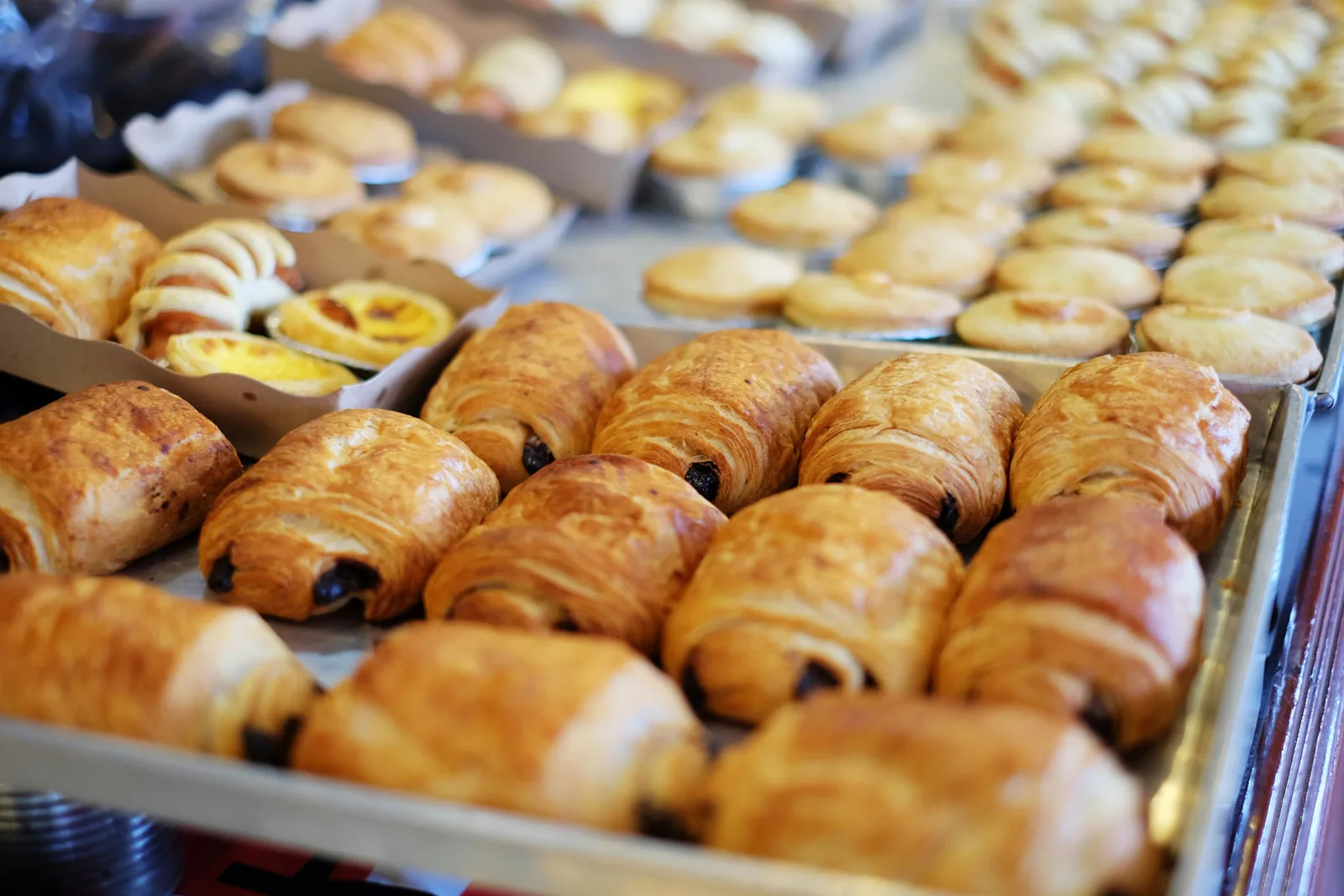
Every venue has hours it would rather not have. The room is open, the staff are paid, the kitchen is warm, and almost nobody is in.
Deal Hours puts a price on exactly those hours and nothing else.
A rule, not a promotion
A Deal Hour is a pricing rule with a window. You set a discount — a percentage or a fixed amount — the items it applies to, and the days and times it runs. Inside the window the price is lower. Outside it, nothing has changed.
There is no code to give out, no ticket to buy and nothing for a customer to remember. The menu simply costs less at four o'clock on a Tuesday, which is the version people actually use.
Choose the items, not just the venue
A blanket discount on everything is usually the wrong instrument: it discounts the dishes that were selling anyway. A rule can apply to specific items, which lets you do the thing that actually works — put the margin-rich item, or the one that uses up what you already prepped, on offer and leave the rest alone.
Choose the channel
A rule can run in the venue, on collection, on delivery, or any combination. A quiet dining room and a busy delivery queue are different problems, and a discount that fixes one while eating the margin on the other is worse than none.
Ten at a time
A venue can have 10 active rules. That is a deliberate ceiling rather than a technical one: past about ten, the pricing stops being legible to staff and customers both, and the venue can no longer say what anything costs on a Wednesday.
Finding your actual quiet period first
Most owners can name their quiet period and a good number are wrong. It is usually narrower than remembered, or a different day, or the gap between lunch and dinner rather than the whole afternoon. Your analytics measure it from your own trade — look before you discount, because a rule pointed at the wrong window costs margin at a time you were busy anyway.
Setting one up
- Open Analytics and find the window that is genuinely quiet.
- Pick the items. Start with the ones that use what you already have prepped.
- Set the discount. Percentage or fixed amount, whichever reads more clearly on your menu.
- Set the days and hours to the real window, not a rounder one.
- Choose the channels — in-venue, collection, delivery.
- Tell people once. A rule nobody knows about is a discount to customers who were coming anyway.
What it connects to
- Get discovered — deals are a thing customers search for, so a live rule is a discovery surface.
- Order Ahead — a quiet-hours collection deal is the cheapest order you can take, at 1.5%.
- Loyalty — a deal brings someone in once, loyalty is what brings them back at full price.
- Analytics — where you find the window, and where you check whether it worked.
- Outreach — tell the customers who have not been in for a while, rather than everybody.
Questions
Common questions
What is a Deal Hour?
A pricing rule with a time window. Inside it, the items you chose cost less; outside it, nothing changes. There is no code and no ticket.
Can I discount only some items?
Yes, and usually you should. A blanket discount mostly discounts the dishes that were selling anyway.
Can I run it on delivery but not in the venue?
Yes. A rule applies to the channels you choose — in-venue, collection, delivery, or a combination.
How many rules can I have?
Ten active at once. Past about that, staff and customers both stop being able to say what anything costs on a Wednesday.
Does it cost anything to run?
No. Deal Hours is a pricing rule, not a paid product. You give up the discount you chose and nothing else.
How do I know when my quiet period actually is?
Your analytics measure it from your own trade. Most owners find it is narrower, or on a different day, than they remembered.
Do customers need a code?
No. The price is simply lower in the window, which is the version people actually use.
Will it just discount customers who were coming anyway?
It will if you point it at a busy hour, which is why the window matters more than the discount.
More like this
Read next
A Free Restaurant Booking System, and What Free Covers
Plenty of booking systems are "free" until the first busy weekend. Here is what a genuinely free plan should include, where the catches usually hide, and how to tell when it is time to pay for more.
Take Card Payments Without a Card Terminal
A card terminal is one more device to rent, charge and pay fees on. For customers who use Mosey, the phone in their pocket can do the same job — and record their loyalty at the same time. Here is how it works, and where you still need a terminal.
How to Reduce No-Shows at Your Restaurant
No-shows are not one problem, so there is no single fix. Most are forgetting, some are carelessness, and a few are habit. Here is how to deal with each, starting with the cheapest.
How to Run Restaurant Promotions That Actually Work
Most restaurant promotions discount a meal somebody was going to buy anyway. The ones that work move demand into a quiet hour, sell a limited number, and bring people back at full price. Here is how to run those.
Get started
List your place on Mosey
Free to list. Order Ahead is 1.5% commission, and there is no monthly fee to start.