
How to
Finding a Place by the Dish, Not the Cuisine
Mosey · 22 September 2026 · 3 min read
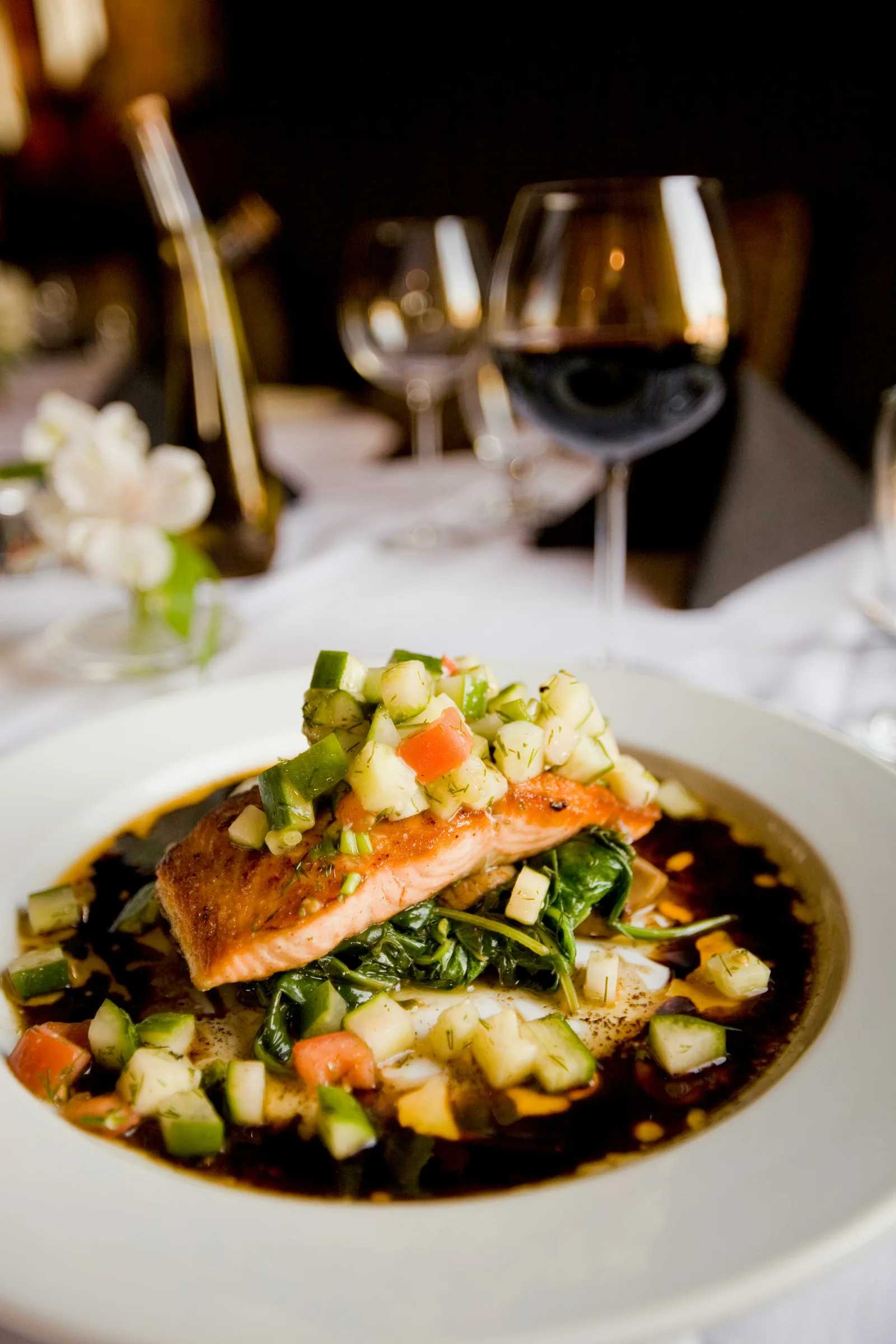
Nobody walks around wanting Italian. They want the carbonara they had last month, or a proper bowl of pho, or whatever it was with the burnt honey.
Most restaurant search asks for the category and leaves you to open twelve menus. Mosey searches the dishes.
Search the plate
Type a dish and you get places that actually serve it — matched against real menu items and against the dishes other diners have rated, not against a cuisine tag somebody picked at signup.
That difference shows up most on the awkward searches. "Cacio e pepe" is not a cuisine. "Birria tacos" is not a cuisine. "Gluten-free sourdough" is definitely not a cuisine. All three are the actual thing you want, and all three are findable.
Dish pages
A dish that enough people rate gets a page of its own — the places that serve it, what people said, and the photographs they took. It is the honest way to answer "who does the best X near me", because the answer is assembled from people who ate it rather than from whoever wrote the best description.
The photographs are the useful part. A dish page is often the fastest way to discover that two places calling something the same name are serving completely different plates.
Menus you can actually read
Menus on Mosey are structured rather than a photographed PDF, which is what makes any of this possible. It also means the menu you are reading is the one the venue is currently serving, rather than a scan from 2019 that a search engine happened to index.
If a dish is missing, anyone who rates it can add it. Plenty of what you can search today was typed in by a diner rather than the venue.
Searching well
- Use the name you would say out loud. "Full Irish", not "traditional breakfast".
- Search the component when the dish has no fixed name — "burrata", "short rib", "matcha".
- Try the dietary term as the dish. "Vegan brunch" and "gluten-free pizza" both behave like dishes here.
- Then add the filters. Open now, nearby, Gold — dish first, constraints second.
When cuisine is still the right question
Sometimes it genuinely is: a new city, an unfamiliar neighbourhood, or a group that has not decided. The cuisine filters are there and they work. Dish search is for when you already know, which is more often than most search boxes assume.
Where to go next
- Discovering standout dishes — what the dish pages look like in practice
- Rating a dish — how a dish page gets its content
- Searching beyond cuisine — the rest of the filters
- Finding the best restaurants in Dublin — dish search on a whole city
Questions
Common questions
Can I search for a specific dish on Mosey?
Yes. Search matches real menu items and the dishes other diners have rated, so you can look for the plate rather than the cuisine.
How is that different from searching a cuisine?
A cuisine tag is one word somebody picked at signup. A dish search looks at what is actually on menus, which is how you find cacio e pepe or birria tacos rather than "Italian" or "Mexican".
What is a dish page?
A page for a dish that enough people have rated — which places serve it, what diners said, and the photographs they took.
Are the menus up to date?
Menus are structured data kept by the venue rather than a photographed PDF, so what you read is what they are currently serving.
What if a dish is missing from a menu?
Anyone rating it can add it. A good deal of what you can search today was typed in by a diner rather than the venue.
Can I search dietary terms as dishes?
Yes. "Vegan brunch" and "gluten-free pizza" behave like dishes, which is usually what you actually want.
Should I search the dish or use filters?
Dish first, filters second. Find the plate, then narrow by open now, nearby or Gold.
Is cuisine search still there?
Yes, and it is the right tool in a new city or when a group has not decided.
More like this
Read next
Eating Out on a Budget in Ireland
Eating out in Ireland is not cheap, but eating out well on a budget is very possible. It mostly comes down to when you go, what you order and a few habits that quietly save a lot over a year.
How to Choose a Family-Friendly Restaurant
A children’s menu does not make a restaurant family-friendly. Space, speed, patience and a kitchen that will adapt a dish matter far more. Here is how to tell before you go, and how to make the meal easier when you get there.
Tipping in Ireland: Restaurants, Cafés and Pubs
Tipping in Ireland is customary but not compulsory, and it varies by where you are eating. Here is what is usual in restaurants, cafés and pubs, how service charges work, and what the law says about where your tip goes.
Traditional Irish Dishes to Try, and Where to Find Them
Irish food is better and more varied than its reputation. Here are the traditional dishes worth ordering, what each one actually is, and how to find a good version rather than a tourist one.